
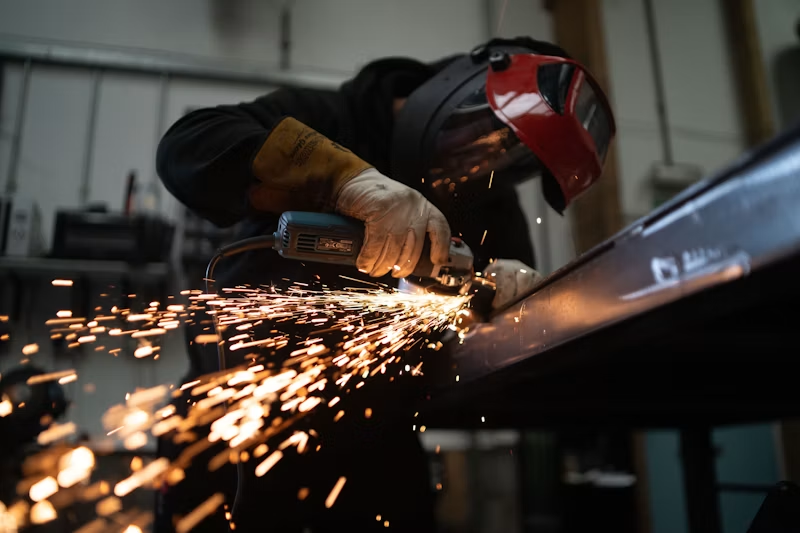
Metal grinding, deburring, and forming operations release fine metallic dust and airborne particulates that pose serious respiratory hazards. MAXFLO systems capture dust at the source, keeping your facility compliant with OSHA 1910.1000 air contaminant limits and NFPA 68/654 combustible dust standards.
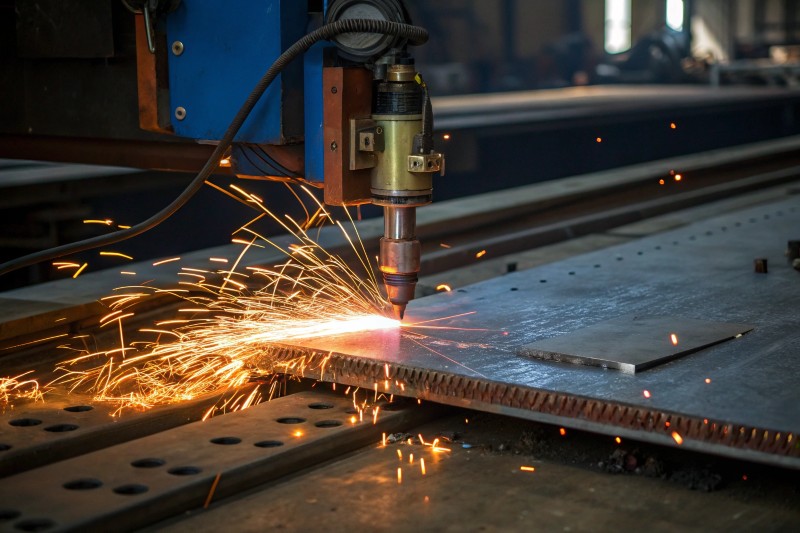
Welding fumes contain hexavalent chromium, manganese, and other toxic metals classified as OSHA-regulated carcinogens. Plasma and laser cutting add ozone and nitrogen oxides to the mix. MAXFLO fume extraction arms and downdraft tables capture contaminants directly at the source before they reach the breathing zone.
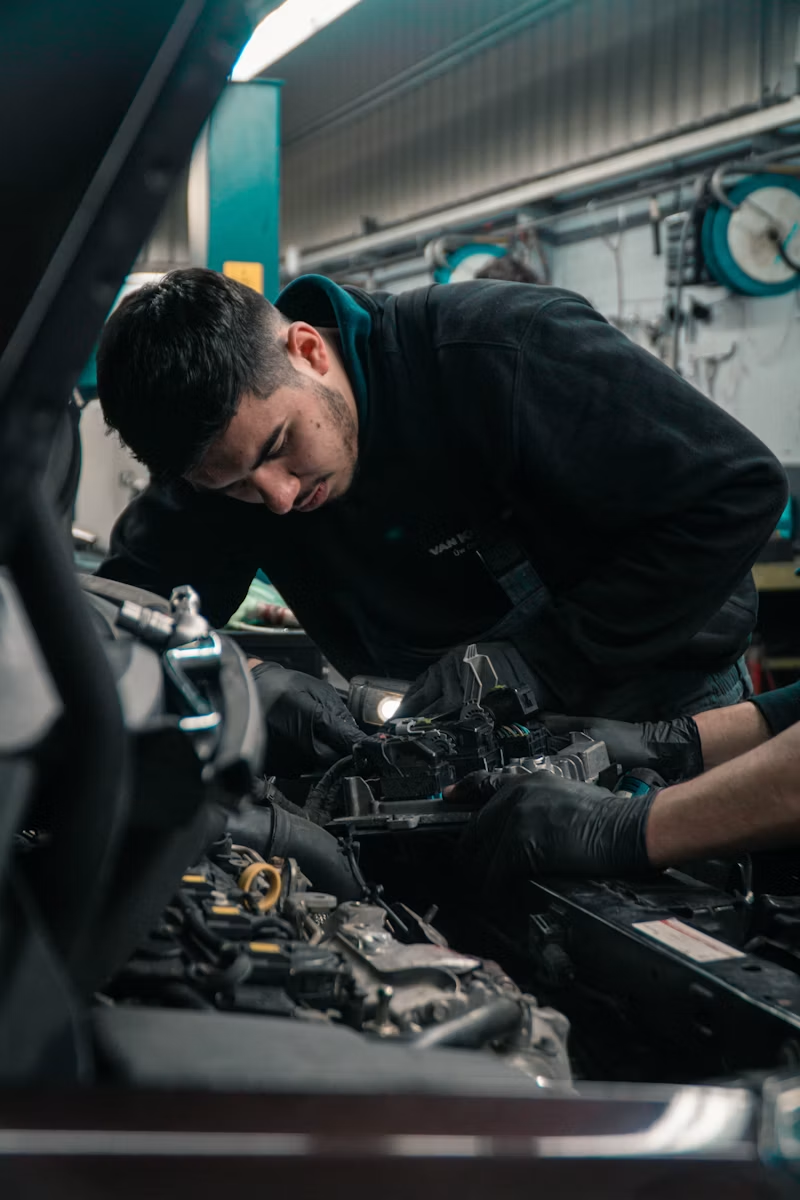
Automotive facilities deal with paint overspray, solvent fumes, vehicle exhaust, and grinding dust all under the same roof. MAXFLO provides OSHA- and NFPA-compliant paint booths, exhaust removal systems, and fume collectors to keep your technicians safe and your shop inspectable.

Wood dust is one of the most commonly cited OSHA and NFPA 664 combustible dust hazards in manufacturing. Fine sanding dust and hardwood particles accumulate rapidly and create both health and fire risks. MAXFLO baghouse and cartridge systems are sized for high-volume wood dust applications.
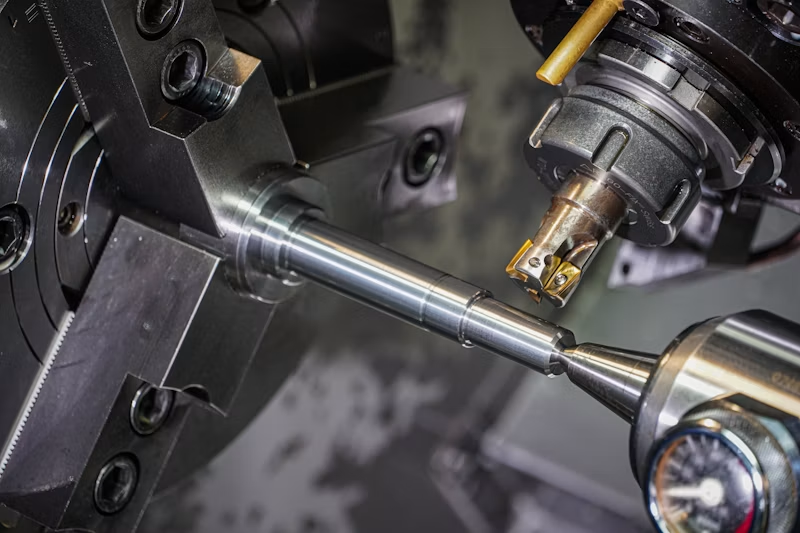
CNC operations generate continuous oil mist, coolant mist, and fine metallic aerosols that coat equipment and create slippery, hazardous floors. MAXFLO mist collectors mount directly at the machine or centrally to a bank of equipment, dramatically improving air quality and reducing housekeeping costs.
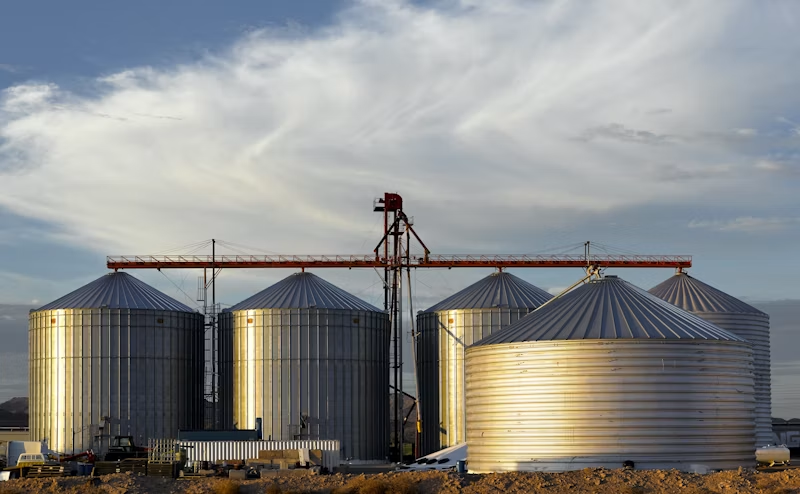
Food-grade facilities face unique air quality challenges: flour, sugar, spice, and grain dust are all combustible under NFPA 61 and NFPA 654. Stainless steel construction is often required for sanitation compliance. MAXFLO stainless steel collectors meet food industry requirements without compromising performance.
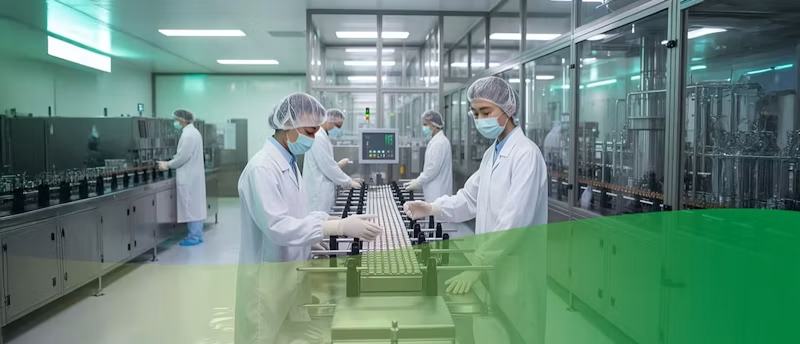
Pharmaceutical dust containment is critical for both operator safety and product integrity. API (Active Pharmaceutical Ingredient) dusts require high-efficiency capture and strict cross-contamination control. MAXFLO decontamination booths and HEPA-equipped portable units are designed for these demanding environments.
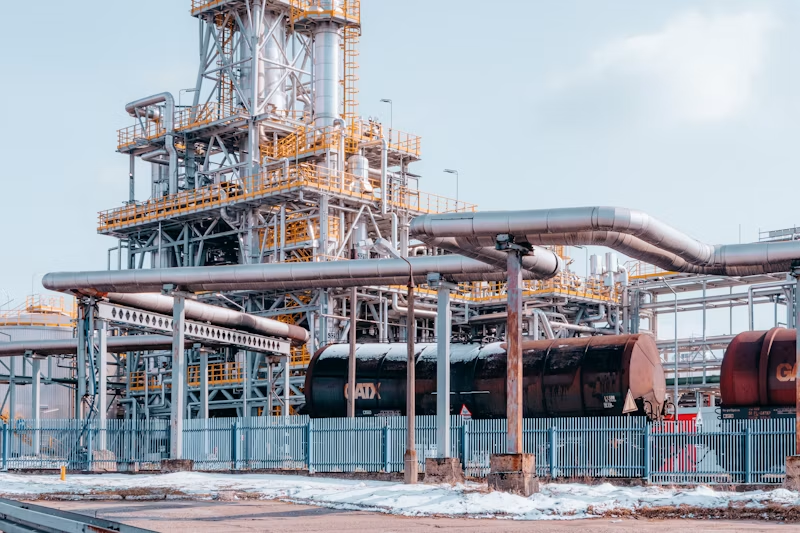
Chemical processing environments involve volatile organic compounds, solvent vapors, and reactive dust that require specialized multi-stage filtration with carbon adsorption. MAXFLO fume and odor control systems include carbon modules and HEPA stages to address the full spectrum of chemical contaminants.
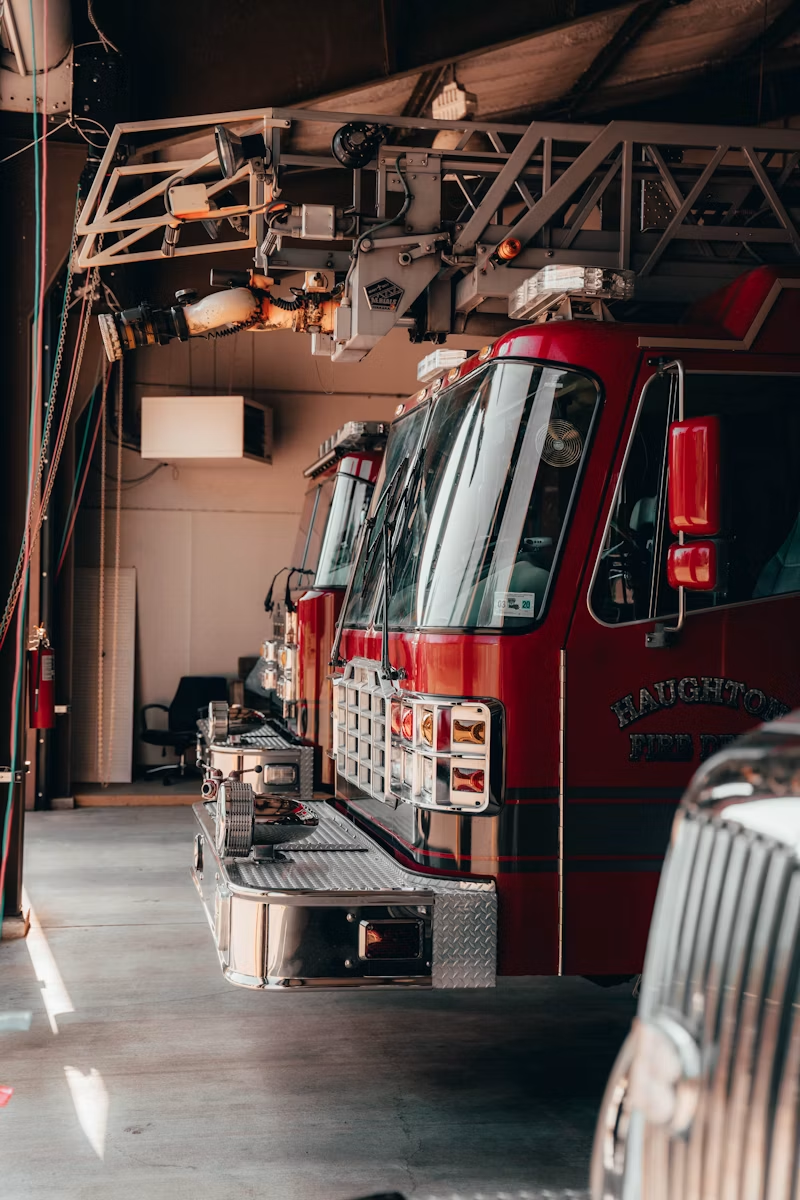
Diesel exhaust in enclosed garages contains carcinogenic particulates and carbon monoxide at levels far exceeding OSHA permissible limits. MAXFLO vehicle exhaust removal systems are engineered for fire stations, fleet maintenance shops, and transit facilities where repeated engine starts create persistent exposure risk.
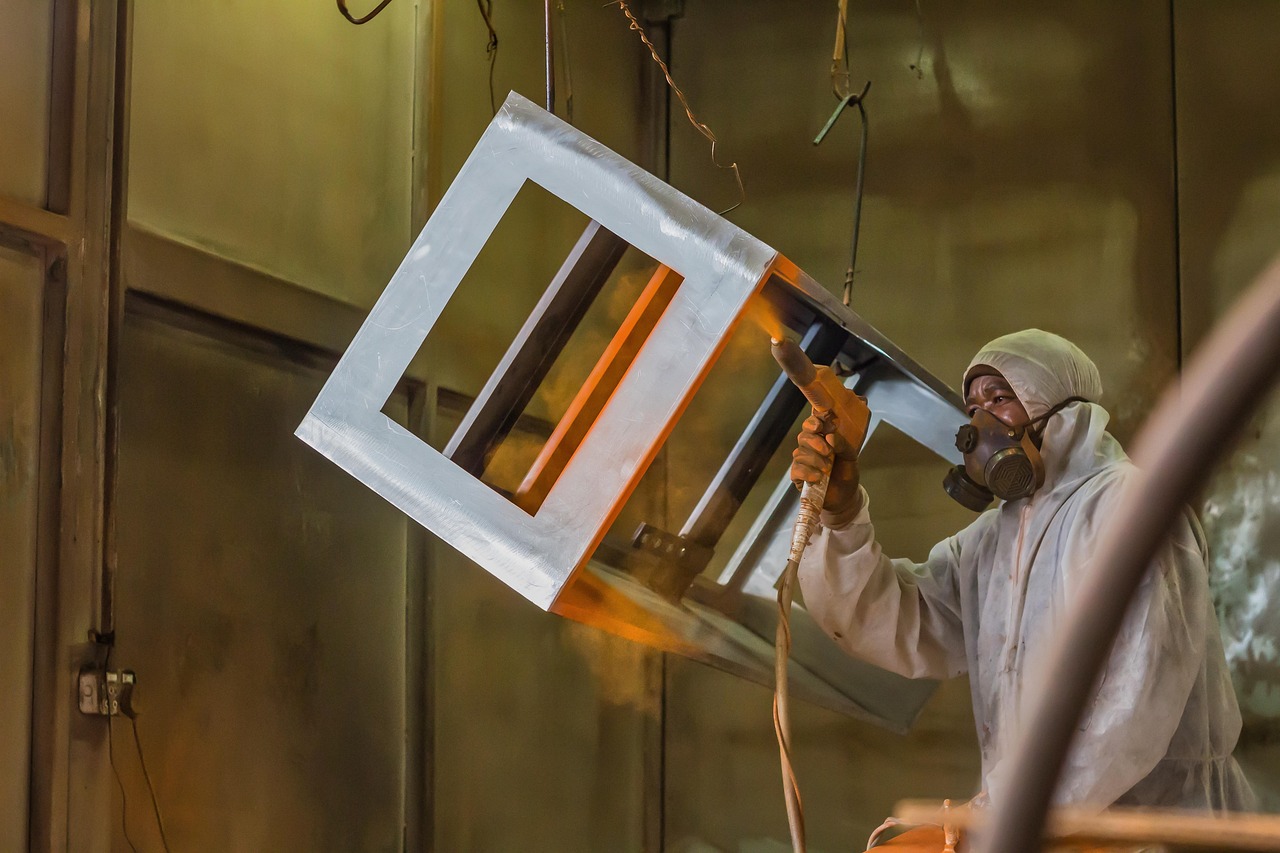
Spray painting and powder coating operations release isocyanates, chromate pigments, and flammable solvent vapors that require both particulate and chemical filtration. MAXFLO paint booths are self-contained, OSHA-compliant, and available in multiple sizes — from benchtop portable units to custom 30-foot industrial booths.
Opt-Out Preference Signal Honored — we detected your browser's Global Privacy Control and opted you out of the sale/sharing of your information.
We use cookiesWe use cookies to improve your experience and for analytics. By continuing you agree; you can opt out anytime. Privacy policy.
Choose which cookies we may use. You can change this anytime.